
Travel

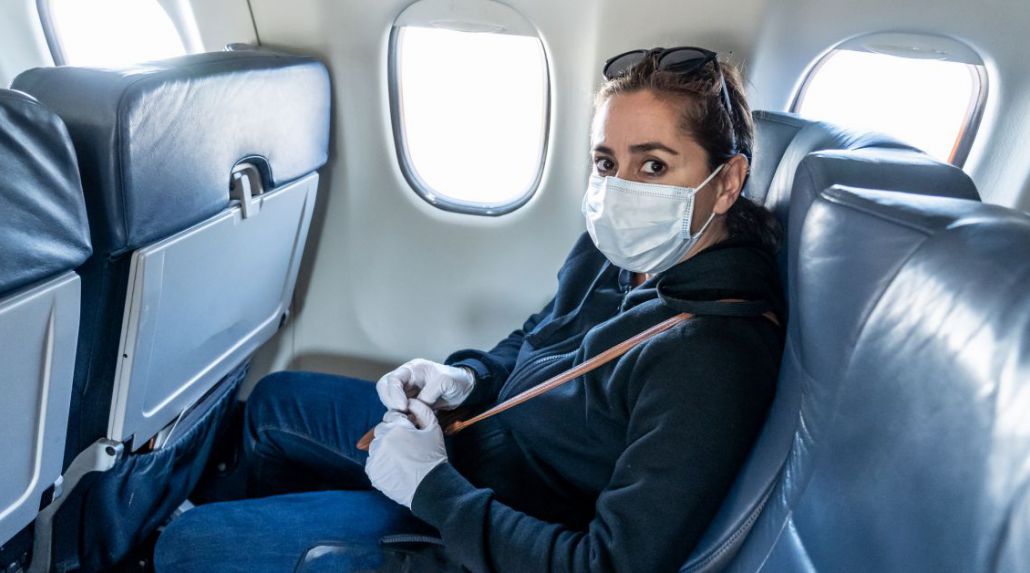
How safe is flying and what are the risks of contracting Covid-19 on board a plane? A pertinent question many people are asking themselves now that different airlines are announcing the resumption of commercial flights. We put the question before the International Air Transport Association (IATA) and the answer is very reassuring.
The odds of catching the virus on board a plane are no greater than in comparable situations where a number of people spend a certain amount of time in a closed space. Just think of public transportation or the cinema.
In most cases, the risks are even lower because modern planes have cabin air filtration systems that are equipped with HEPA filters. These high-efficiency particulate air filters are of the same quality as those used in operating theatres and sterile rooms in hospitals.
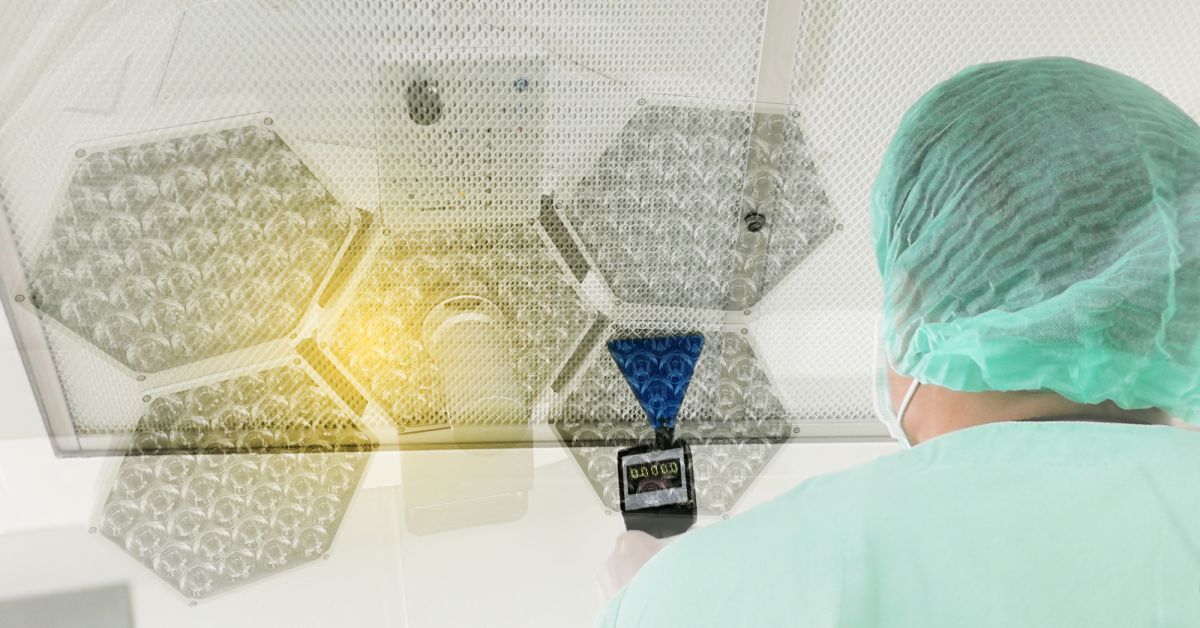
These filters are highly effective at catching microscopic particles the size of bacteria and viruses. HEPA filters capture over 99 percent of the airborne microbes present in the filtered air. Filtered, recirculated air raises the air humidity level in the cabin and guarantees lower particle levels than with 100% outdoor systems. The cabin air recirculation system is designed to provide maximum efficiency by supplying approximately 50 percent of outside air and 50 percent of filtered, recirculated air. Normally this system delivers an overall air supply of 15 to 20 cubic metres per minute per passenger in economy. The total air supply is essentially sterile and particle-free. The air circulation in the cabin is continuous. Air constantly flows in and out of the cabin. The total air flow into the cabin is delivered with a flow rate equivalent to 20 to 30 air changes per hour.
What is a HEPA filter?
According to the European classification of the efficiency of air filters, a HEPA filter or High-Efficiency Particulate Air filter can be any filter element with a filtration efficiency between 85 and 99.995%. For the production of airplanes with recirculation systems for cabin air the manufacturers have opted for filters with higher efficiency, comparable to those used in operating theatres in hospitals.
Are all commercial planes equipped with HEPA filters?
The lion’s share of modern large commercial airplanes with a recirculation system in the cabin use HEPA filters. A smaller number of older plane types use filters with a lower filtration efficiency.
What is the smallest particle size the cabin air filter elements can capture?
Air filters can remove very small particles such as bacteria and viruses. Nearly all viruses and bacteria are removed; even the toughest particles within the 0.1 to 0.3 micron range are filtered out with 99.995% efficiency. Contrary to popular belief, very small particles below 0.1 micron are easily filtered out thanks to the mechanism of diffusion-interception.
How often are the filters replaced?
The interval varies per plane type. Most airlines replace cabin air filters at hard time intervals to coincide with routine maintenance periods as long as these intervals do not exceed the recommendations of the filter manufacturer.
What happens when the cabin air filter elements are not regularly replaced?
Less air may flow through the filter but the filter’s efficiency in capturing viruses and bacteria is not affected.
* Compiled on the basis of info supplied by Airbus, Boeing and Pall Corporate.